
In today’s world of packaging and sustainability, even the simplest items carry hidden importance. One such example is the “Pappedeckel” a German term literally meaning cardboard lid. At first glance, it may appear like a trivial component, but in industries such as food service, shipping, and eco-friendly packaging, the Pappedeckel plays a crucial role.
This article explores the origins of the word, its uses across industries, environmental significance, advantages, challenges, and future potential. It concludes with practical insights and an FAQ section for readers who want a quick reference.
What is a Pappedeckel?
The German compound word Pappedeckel (sometimes spelled Pappendeckel) is derived from two words: Pappe (cardboard or paperboard) and Deckel (lid or cover). Thus, it translates directly to “cardboard lid” or “cardboard cover.”
In standard German usage, the correct spelling is Pappendeckel, though Pappedeckel appears frequently in branding or colloquial use. The plural form is Pappendeckel, with no change in ending.
While originally a literal term for a simple lid made from cardboard, its usage today goes far beyond. It represents a category of packaging solutions that are lightweight, sustainable, and often used as eco-friendly alternatives to plastic lids.
Historical and Linguistic Background
- Etymology: The word emerged naturally in German packaging and consumer vocabulary, reflecting the widespread use of cardboard as a cheap and functional material.
- Cultural references: In Bavarian dialect, Pappmdeckel often refers to a beer mat (Bierdeckel)—another form of small, functional cardboard cover.
- Modern symbolism: In some playful internet contexts, “Pappedeckel” is used as a placeholder word, similar to “thingamajig” in English, though this is more niche.
The evolution of the word reflects both practicality and creativity—it names a simple product but is tied to cultural habits, sustainability, and innovation.
Material and Technical Aspects
For a Pappedeckel to serve its purpose, certain technical standards must be met:
Material
- Made from cardboard, kraft paper, or paperboard.
- Often sourced from FSC-certified suppliers to guarantee sustainable forestry.
Coatings
- To resist moisture, grease, or heat, lids are sometimes coated with food-safe biopolymers (such as PLA) or water-based varnishes.
- Coatings are chosen to remain recyclable or compostable.
Shape and Fit
- Common forms include round lids for cups and bowls, or rectangular ones for trays and containers.
- Designs may include ventilation holes to release steam in hot food packaging.
Performance
- Must withstand temperatures up to 90°C for hot beverages and soups.
- Should retain strength during stacking, transport, and storage.
Regulations
- In the EU, Pappedeckel must comply with food-contact regulations such as Regulation (EC) No. 1935/2004.
- Materials must be safe, non-toxic, and free of harmful migration into food.
Key Applications of Pappedeckel
Food and Beverage Packaging
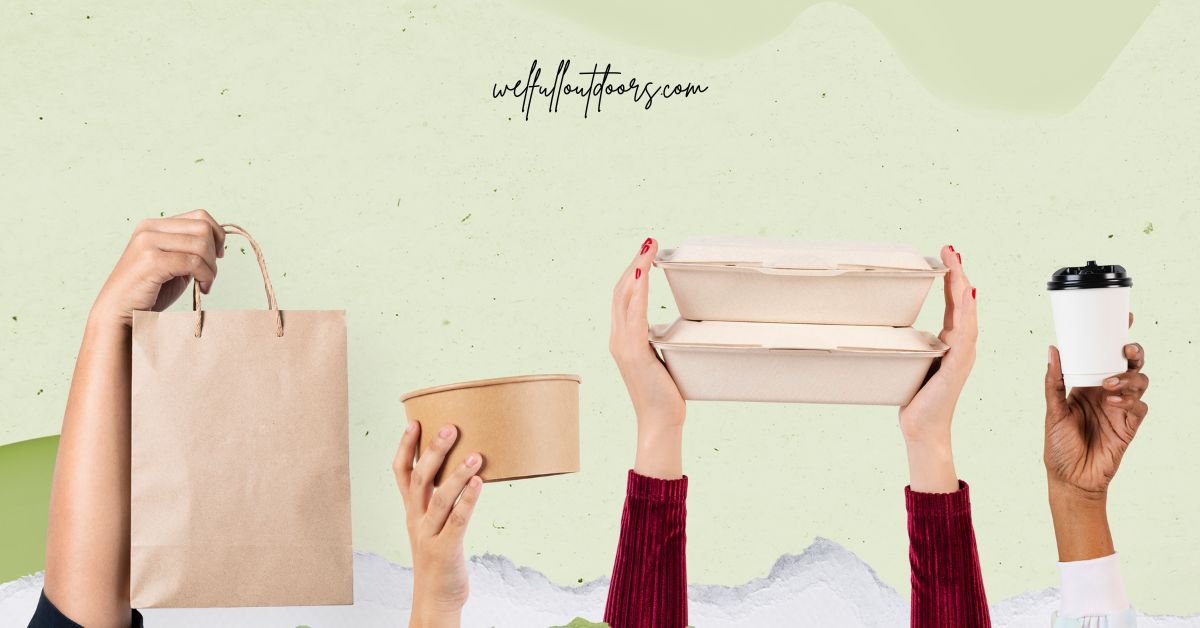
The most common use is in takeaway and catering services. Cardboard lids cover:
- Coffee cups and tea cups.
- Soup bowls and noodle containers.
- Portion cups for sauces, condiments, and small snacks.
- Rectangular trays with vented cardboard lids for hot meals.
Beer Mats and Coasters
In many German regions, especially Bavaria, the word also refers to beer coasters, which are classic examples of round cardboard covers protecting tables from moisture.
Shipping and Storage
Cardboard lids are widely used in postal boxes, storage cartons, and packaging trays, serving as protective covers that are cost-effective and eco-friendly.
Branding and Marketing
Since the surface is printable, businesses use Pappedeckel for logo placement, slogans, or eco-friendly messaging. This adds marketing value while reinforcing brand identity.
Household and DIY Uses
From craft projects to storage solutions, households repurpose cardboard lids creatively. In model-making, for example, Pappedeckel is a low-cost and versatile material.
Advantages of Pappedeckel
Environmental Benefits
- Eco-friendly: Biodegradable and recyclable, reducing plastic waste.
- Sustainable sourcing: Often made from renewable fibers with FSC certification.
- Lower carbon footprint: Lightweight and efficient in production and transport.
Functional Benefits
- Versatility: Suitable for hot, cold, dry, or moderately moist foods.
- Lightweight: Easier handling and reduced shipping costs.
- Customizable: Easily printed, embossed, or cut into various designs.
Economic Benefits
- Cost-effective: Cheaper than many plastic or metal alternatives.
- Scalable: Produced in bulk with relatively low manufacturing costs.
Challenges and Limitations
Despite many strengths, Pappedeckel also faces drawbacks:
- Moisture Resistance: Prolonged exposure to liquids can weaken uncoated cardboard.
- Structural Limitations: Less durable under heavy loads compared to plastic or metal lids.
- Consumer Perception: Some customers see cardboard as less premium or sturdy.
- Recycling Issues: Grease or food contamination can reduce recyclability.
- Cost of Transition: Businesses replacing plastics may face initial setup costs for new lid designs.
Market and Future Trends
The global packaging market is moving steadily toward sustainable materials, and Pappedeckel is well positioned in this shift. Key trends include:
- Plastic bans: Regulations against single-use plastics are accelerating demand for cardboard lids.
- Material innovation: Advances in bio-coatings and water-resistant barriers are making cardboard lids more durable.
- Consumer preference: Eco-friendly packaging is increasingly a selling point for brands.
- Digital printing: Enables customized branding and interactive designs (e.g., QR codes for promotions).
- Global adoption: While Germany leads in the use of Pappedeckel, other regions are quickly adopting similar solutions.
Conclusion
The Pappedeckel is more than just a cardboard lid—it represents a shift in how businesses and consumers view packaging. Once considered a disposable necessity, it now embodies sustainability, functionality, and branding potential.
While challenges remain in moisture resistance, perception, and recycling, technological improvements and regulatory support make Pappedeckel a practical, eco-friendly alternative to plastic. For businesses aiming to align with sustainability goals and meet consumer expectations, adopting Pappedeckel solutions is not just a small step but a strategic advantage.
Frequently Asked Questions (FAQs)
Q. What does Pappedeckel mean in English?
It translates to “cardboard lid” or “cardboard cover.”
Q. Is Pappedeckel different from Pappendeckel?
No, both refer to the same thing. Pappendeckel is the standard spelling; Pappedeckel is a variant.
Q. Are Pappedeckel safe for food use?
Yes, when produced with food-grade cardboard and coatings, they comply with EU and international food safety regulations.
Q. Can Pappedeckel replace plastic lids completely?
In many cases, yes. They are suitable for coffee cups, soups, and take-away packaging, though extreme conditions may still require plastics or hybrids.
Q. Are Pappedeckel recyclable?
Yes, provided they are free from excessive contamination. Some coatings may limit recyclability, so manufacturers aim for compostable or recyclable alternatives.