

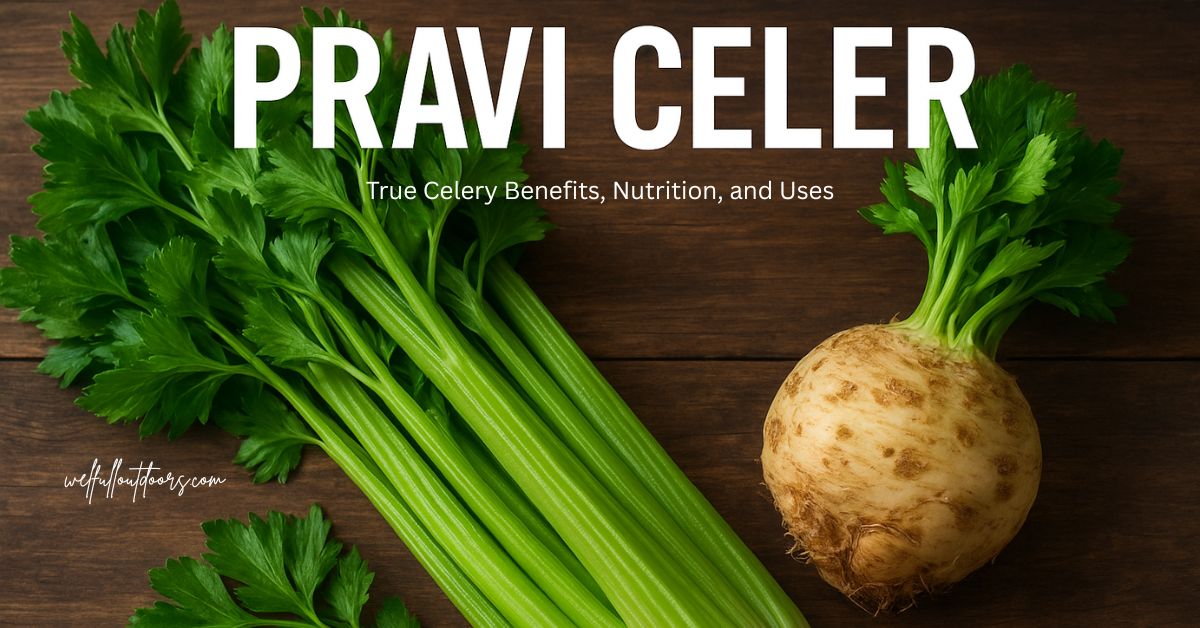
Pravi celer, often translated as “true celery,” is a fresh, crunchy vegetable that has been valued for centuries in both cooking and natural health traditions. Known for its hydrating quality and low-calorie content, this vegetable is far more than just a salad ingredient. Its leaves, stalks, and roots are all edible and beneficial, making it one of the most versatile plants in the kitchen. Beyond taste, authentic celery is also known for its role in folk medicine, where it has been used as a cleansing and strengthening food.
Nutritional Value of True Celery
True celery is packed with vitamins and minerals that support a healthy lifestyle. With nearly 95% water content, it helps the body stay hydrated while delivering essential nutrients like Vitamin K, Vitamin C, folate, and potassium. Its natural fiber supports gut health, while antioxidants strengthen the immune system. Unlike processed celery powders, consuming fresh authentic celery provides the complete nutritional package, including enzymes and fiber. Because of its unique balance of hydration, vitamins, and minerals, it has earned a reputation as one of the healthiest low-calorie vegetables available today.
Health Benefits of Authentic Celery
Including authentic celery in your diet can bring multiple health benefits. It supports digestion, regulates blood pressure, and assists with weight management. The potassium it contains helps balance fluids and blood pressure, while its antioxidants fight inflammation and strengthen immunity. Authentic celery juice has become a wellness trend, praised for its cleansing effects and energy boost. For individuals aiming to maintain a healthy diet, this vegetable offers an easy way to include hydration, nutrients, and natural healing compounds without adding excess calories or artificial additives.
Why Fresh Celery Is Better Than Processed Alternatives
Choosing fresh celery over supplements or powders has many advantages. The whole vegetable maintains its natural water content, which supports hydration in ways processed products cannot. Fresh celery also keeps its dietary fiber intact, which is essential for digestion and gut health. Unlike packaged alternatives, it contains no preservatives, additives, or unnecessary sugars. The taste is crisp and refreshing, making it a great base for soups, stews, or raw snacks. When looking for genuine nutrition, whole celery is always a healthier and more authentic choice compared to powdered extracts.
Culinary Uses of This Vegetable
Celery is one of the most flexible vegetables in cooking. Its crisp stalks can be eaten raw in salads or served with dips as a healthy snack. Celery root, also known as celeriac, is excellent roasted, mashed, or added to stews for depth of flavor. The leaves can be used as a garnish or blended into sauces for extra taste. In modern diets, celery juice has become a popular morning beverage, offering hydration and nutrients to start the day. Its versatility makes it a valuable addition to kitchens worldwide.
Key Reasons to Add Celery to Your Diet
Here are a few strong reasons to make celery a regular part of your meals:
- Hydration support: High water content prevents dehydration.
- Heart-friendly: Potassium helps regulate blood pressure.
- Weight control: Low in calories yet filling.
- Digestive aid: Natural fiber supports gut health.
- Detox effects: May help flush toxins from the body.
- Anti-inflammatory benefits: Contains antioxidants that protect overall wellness.
With all these benefits, celery is more than just a kitchen staple—it is a health booster.
Traditional and Cultural Significance of Celery
In many European cultures, celery has long been seen as more than food. Folk medicine traditions use celery root and leaves in teas, broths, and herbal remedies for kidney health and body cleansing. In Mediterranean diets, celery is included in soups and stews not just for flavor but also for its health-promoting properties. Even today, celery bridges the gap between cultural traditions and modern nutrition science, showing how traditional wisdom often aligns with current knowledge about natural wellness and healthy eating.
Growing and Storing Celery at Home
Celery is a rewarding plant to grow at home. It thrives in moist, nutrient-rich soil and requires steady watering to keep the stalks crisp. With proper care, you can harvest both stalks and leaves for fresh use. Once harvested, celery should be stored in the refrigerator, wrapped to retain moisture. It can last up to two weeks when kept properly. For long-term use, stalks may also be chopped and frozen. Growing your own celery guarantees freshness, flavor, and an organic option for your kitchen.
Conclusion: Why Pravi Celer Matters
Pravi celer, or true celery, is more than just a crunchy green vegetable—it is a source of hydration, vitamins, minerals, and natural healing compounds. From supporting heart health and digestion to aiding weight management and detox, it offers a wide range of benefits. Its cultural heritage as a traditional food and remedy makes it unique, while its modern role in health-conscious diets ensures its lasting value. Adding this authentic vegetable to your meals is an easy and effective way to improve overall health and enjoy natural, clean nutrition every day.
FAQs About Pravi Celer
Q: What is pravi celer?
It refers to “true celery,” highlighting the authentic, whole form of the vegetable including stalks, leaves, and root.
Q: Is pravi celer different from normal celery?
Scientifically it is the same, but the term emphasizes freshness and authenticity over processed forms.
Q: How can I use celery in cooking?
It can be eaten raw, juiced, or added to soups, salads, and roasted dishes.
Q: Is celery good for weight management?
Yes, its low calorie and high fiber content make it ideal for healthy weight goals.
Q: Can celery be grown at home?
Yes, it grows well in moist, nutrient-rich soil and can be stored fresh or frozen after harvest.